
Pastitsio (Greek Lasagna)

Layers of tender pasta, cinnamon-laced beef ragù, creamy béchamel and kasseri cheese come together in this classic Greek comfort dish—perfect for holiday tables and hearty family meals.
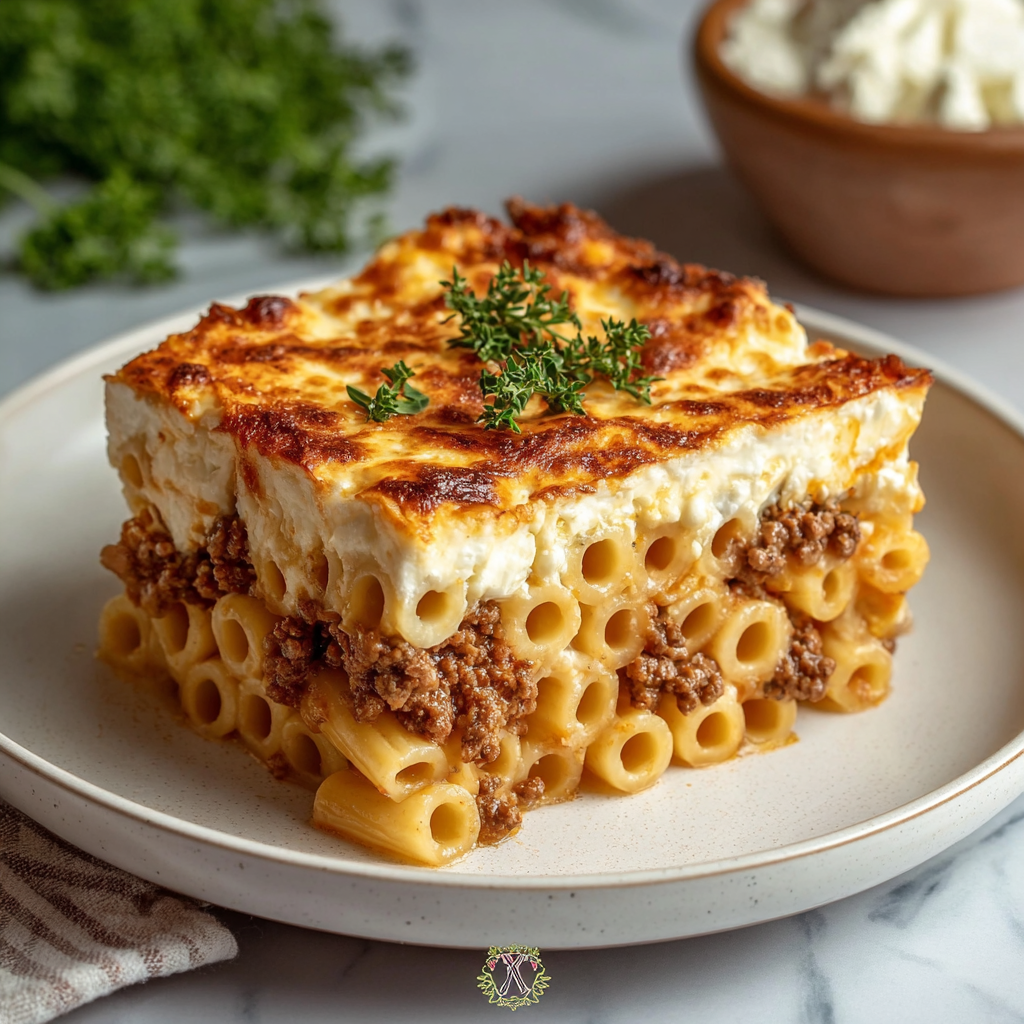
This Pastitsio has been a centerpiece at our family table for years and always brings people together. I first learned this version one chilly winter when I was intent on reproducing the bold, homestyle flavors I remembered from a trip to Crete. The marriage of a slowly simmered, cinnamon-scented beef ragù with creamy, whipped béchamel and salty kasseri cheese is the kind of comfort food that seems to fix whatever ails you. It’s rich but balanced: the warm spice and tomato in the meat layer cut through the luxurious milkiness of the top layer, while the pasta holds everything together with satisfying structure.
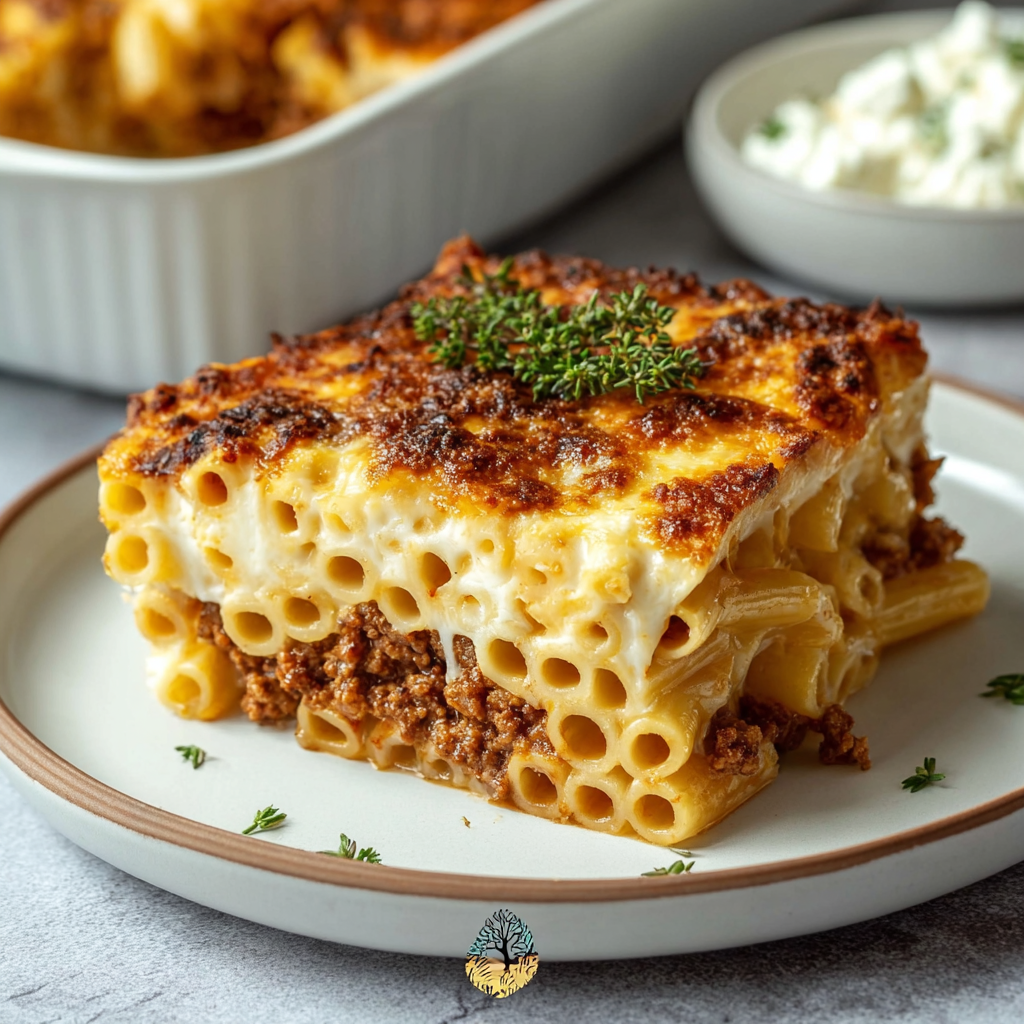
I like to make the meat sauce a day ahead—the flavors deepen overnight and assembly becomes a relaxed, even joyful process. This version yields a large pan, ideal for feeding a crowd or for gifting a hearty portion to a neighbor. The top browns into a golden, almost brûléed finish that cracks into perfect squares; each forkful gives you a ribbon of pasta, savory filling, and velvet béchamel. It’s a showstopper with humble roots, and the ritual of waiting the few hours it takes to develop the sauce makes the eventual tasting feel deserved and celebratory.
Why You'll Love This Recipe
- This produces a crowd-pleasing main that serves about 12—perfect for holidays, potlucks, or a big family dinner without last-minute scrambling.
- Most of the work happens hands-off: the ragù simmers for three hours and is best made the day before, so on the day you assemble you’re mainly layering and baking.
- Ingredients are pantry-friendly: canned tomato sauce, ground beef, dried pasta, flour, milk and eggs—nothing exotic and easy to scale up or down.
- The béchamel is rich but simple—made with butter, flour and milk—and incorporates beaten eggs for a stable, silky top that slices cleanly.
- Flavor notes like cinnamon and kasseri cheese give this a distinctly Greek personality that’s both nostalgic and unique compared with Italian lasagna.
- It reheats and freezes well: make-ahead friendly and great for weekly meal prep or frozen portions for later.
Our family reaction is always the same: quiet appreciation, then second helpings. When I first served this to a skeptical teenager, she asked for the recipe and a week later made a version for a class potluck—everyone asked where it came from. That kind of validation is why this remains in our rotation.
Ingredients
- Ground beef (3 lb): Use good quality 80/20 for flavor and enough fat to keep the sauce unctuous. Grass-fed is fine but may require a touch of olive oil to prevent drying. Brown it well for fond that deepens the ragù.
- Onion (1 large): Finely chopped to melt into the sauce; yellow onions give the best balance of sweetness and savory base.
- Tomato sauce (2 x 15-oz cans): Choose a plain tomato sauce without strong herbs so the cinnamon and meat can shine. If you prefer, substitute one can for crushed tomatoes for texture.
- Ground cinnamon (1 tbsp): The signature aromatic here—don’t overdo it, but don’t skip it. It provides warmth and a subtle sweetness that defines the dish.
- Pastitsio noodles or mostaccioli (1 16-oz package): Any medium tubular pasta works; cook to just under al dente because it will finish cooking in the oven and with the sauces.
- Kasseri cheese (1/2 lb+, grated; about 4 cups): Traditional and beautifully salty; asiago or a mild Italian blend are acceptable substitutes. Flora (a Greek grandmother I learned from) often uses a lot of cheese—use what you love.
- Eggs (4): One beaten into the cooled pasta to bind the bottom layer; three beaten to temper into the béchamel for richness and structure.
- Unsalted butter (1 1/2 sticks): Divided—1 stick for the roux and 1/2 stick for basting the top so it browns beautifully.
- All-purpose flour (1 cup): For the roux—this thickens the milk into a velvety béchamel.
- Whole milk (5 1/2 cups total): Use full-fat for the best mouthfeel. A small portion is tempered with eggs, the rest forms the béchamel base.
- Coarse kosher salt: To season each layer; taste as you go.
Instructions
Prepare the meat sauce (make ahead): Heat a splash of olive oil in a large heavy pot over medium heat. Add the chopped onion and a generous pinch of salt; cook until translucent. Add 3 pounds of ground beef and brown thoroughly, breaking it into small pieces. Stir in two 15-ounce cans of tomato sauce and 1 tablespoon ground cinnamon. Bring to a simmer and reduce heat so the sauce stews gently with the lid slightly ajar for 3 hours. Stir occasionally to prevent sticking and adjust salt. Cool and refrigerate overnight; flavors deepen significantly. Cook the pasta and bind: Bring a large pot of salted water to a boil and cook the 16-ounce package of pastitsio noodles or mostaccioli until just under al dente (about 1–2 minutes less than package directions). Drain and transfer to a large bowl to cool slightly. When cool enough to handle, mix in 1 beaten egg with your hands to coat and help the bottom layer hold together during baking. Layer the pan: Preheat the oven to 350°F. Lightly oil a large baking pan (a 12×18-inch pan is ideal) or use cooking spray. Spread the egg-tossed noodles evenly in the bottom of the pan. Sprinkle roughly one-third of the grated kasseri over the noodles. Spoon the meat sauce evenly over the cheese layer using a slotted spoon to avoid excess liquid. Sprinkle another third of the cheese across the meat. You should have noodles, cheese, meat, cheese layered at this point. Make the béchamel: In a heavy-bottomed pot melt 1 stick (8 tablespoons) of unsalted butter over medium heat. Whisk in 1 cup all-purpose flour, cooking for 1–2 minutes to eliminate the raw flour taste. Slowly add 5 cups of whole milk, whisking constantly. Bring to a gentle boil until the sauce thickens and becomes glossy. Meanwhile, in a separate bowl beat 3 eggs with 1/2 cup milk. Temper the eggs by whisking a few spoonfuls of the hot béchamel into the egg mixture, then slowly add the tempered eggs back into the pot while whisking. Return to medium-high heat and cook until the sauce is thick and bubbly. Remove from heat and let it rest a few minutes before pouring. Assemble and bake: In a small saucepan, melt 1/2 stick of butter. Pour the béchamel evenly over the meat and cheese layer, smoothing the top. Sprinkle the remaining cheese over the béchamel and drizzle or spoon the melted butter over the cheese to encourage even browning. Place the pan on a baking sheet and bake at 350°F for 1 hour, until the top is golden and the middle is hot. If needed, finish under the broiler for 3–5 minutes to achieve a deep brown crust—watch carefully. Let rest 10 minutes before slicing into squares.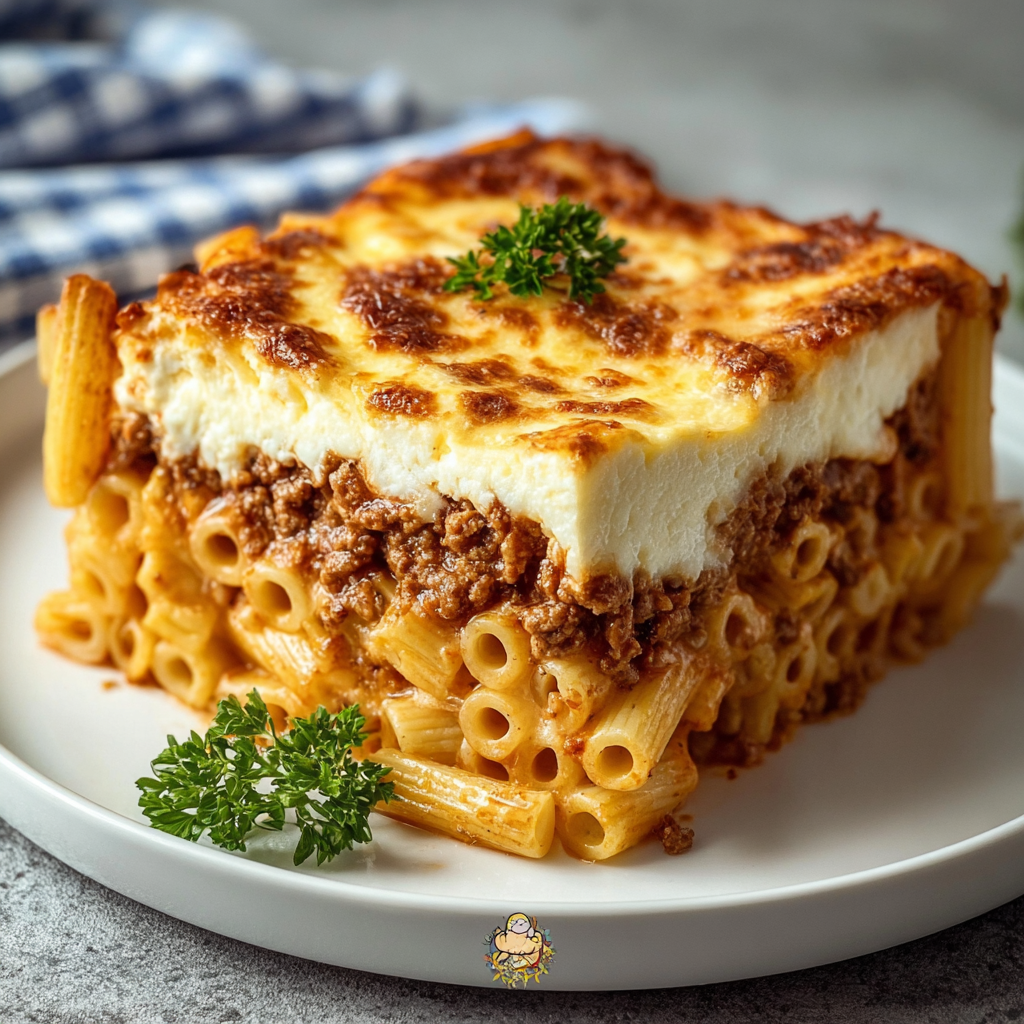
You Must Know
- The ragù improves when made a day ahead—refrigerate overnight and assemble when cool for the best texture and flavor melding.
- Slices hold together best if the béchamel contains the tempered eggs as directed; this gives the top structure without curdling.
- Takes about 30–45 minutes to assemble on the day you bake; total bake time is 1 hour and the full process including make-ahead can span 5 hours.
- Freezes well for up to 3 months—cover tightly with plastic and foil. Thaw overnight in the refrigerator before reheating covered at 350°F until warmed through.
My favorite aspect is the contrast: the warm, spiced beef and the cool, creamy béchamel are both comforting and complex. The top becomes slightly crisp while the interior stays lush—each bite is a study in texture and memory, and it’s the dish our family requests for celebrations.
Storage Tips
Store leftovers in an airtight container in the refrigerator for up to 4 days. To freeze, cool completely, slice into individual portions, wrap each piece tightly in plastic wrap and place in a heavy-duty freezer bag for up to 3 months. Reheat from thawed in a 350°F oven covered with foil until warmed through, about 20–30 minutes; uncover for the last 5–10 minutes to refresh the top. For best texture, avoid microwaving large portions as the béchamel can separate; use the oven for even reheating.
Ingredient Substitutions
If kasseri is unavailable, substitute asiago, provolone, or a mild Greek kefalotyri for similar salty, melty character. For a lighter version, use 90/10 beef and add a tablespoon of olive oil when sautéing the onion to replace some of the fat. For a gluten-free approach, use a certified gluten-free tubular pasta and thicken the béchamel with cornstarch slurry (mix 3 tablespoons cornstarch with cold milk before adding) in place of the flour—texture will be slightly different but still delicious.
Serving Suggestions
Serve squares with a crisp green salad dressed with lemon and olive oil to cut the richness. A simple cucumber-yogurt salad (tzatziki-style) is a classic pairing that brightens the plate. For a complete Greek-themed meal, accompany with roasted lemon potatoes and steamed green beans. Garnish with a little extra grated kasseri and a few fresh oregano leaves for color and aroma.
Cultural Background
Pastitsio is Greece’s answer to layered pasta comfort food, influenced by Ottoman and Italian culinary histories. The cinnamon in the meat layer and the custardy béchamel give it a distinctive eastern Mediterranean identity. Over time, families have adapted it with regional cheeses and varying spice levels—some versions include a touch of nutmeg in the béchamel, others a splash of red wine in the ragù. It’s a celebratory dish often served at gatherings and festivals.
Seasonal Adaptations
In winter, add a cup of finely chopped roasted red peppers to the meat layer for depth. For a spring or summer twist, fold in fresh basil and lemon zest into the béchamel before baking for brightness. At holiday time, double the cheese for a richer crust and serve with pickled vegetables to cut through the richness.
Meal Prep Tips
Make the ragù two days ahead and refrigerate; cool completely before covering. Par-cook the pasta and toss with the egg, then pack it separately if you plan to assemble the day of baking. Béchamel can be made an hour ahead and left at room temperature—reheat gently while stirring before pouring. Use shallow, oven-safe containers to reduce bake time when reheating individual portions.
There’s something generous about preparing this for others; it invites communal eating and conversation. Whether on a weekday or at a celebration, Pastitsio rewards the patience you invest in it—make it your own and enjoy the warmth it brings to your table.
Pro Tips
Brown the meat well to develop fond—this caramelization adds depth to the ragù.
Temper the eggs into the béchamel slowly to prevent curdling and ensure a silky, stable top.
Cook the pasta slightly under al dente because it will finish cooking in the oven with the sauces.
Make the ragù a day ahead; it improves overnight and assembly becomes stress-free.
This nourishing pastitsio (greek lasagna) recipe is sure to be a staple in your kitchen. Enjoy every moist, high protein slice — it is perfect for breakfast or as a wholesome snack any time.
FAQs about Recipes
Can I make the ragù ahead of time?
Yes. The ragù is better the next day; refrigerate overnight to let flavors meld. Reheat gently before assembling.
How do I reheat frozen portions?
Thaw overnight, reheat covered in a 350°F oven until warmed through, about 20–30 minutes depending on portion size.
Tags
Pastitsio (Greek Lasagna)
This Pastitsio (Greek Lasagna) recipe makes perfectly juicy, tender, and flavorful steak every time! Serve with potatoes and a side salad for an unforgettable dinner in under 30 minutes.
Ingredients
Meat sauce
Pasta
Cheese & béchamel
Instructions
Make the meat sauce
Sauté onion in a little olive oil until translucent, add ground beef and brown. Stir in tomato sauce and cinnamon, simmer gently with lid slightly ajar for 3 hours. Cool and refrigerate overnight.
Cook and bind the pasta
Cook pasta until just under al dente, drain and cool slightly. Toss with 1 beaten egg by hand to help the bottom layer bind in the pan.
Layer the components
Preheat oven to 350°F. Oil a large pan, spread pasta, sprinkle one-third of the cheese, layer the meat sauce, then another third of the cheese.
Prepare the béchamel
Melt 1 stick butter, whisk in 1 cup flour and cook 1–2 minutes. Gradually whisk in 5 cups milk until boiling and thick. Temper 3 beaten eggs with 1/2 cup milk and add to béchamel, whisking until smooth and thick.
Assemble and bake
Pour béchamel over layered pan, sprinkle remaining cheese, drizzle melted 1/2 stick butter on top. Bake on a sheet at 350°F for 1 hour until golden; broil briefly if additional browning needed. Rest 10 minutes before serving.
Last Step: Please leave a rating and comment letting us know how you liked this recipe! This helps our business to thrive and continue providing free, high-quality recipes for you.
Nutrition
Did You Make This?
Leave a comment & rating below or tag
@sararecipes on social media!
Categories:
You might also like...

10 Minute Immune Boosting Broth
A bright, restorative broth ready in ten minutes—packed with garlic, ginger, miso and turmeric to support immunity and soothe the soul.
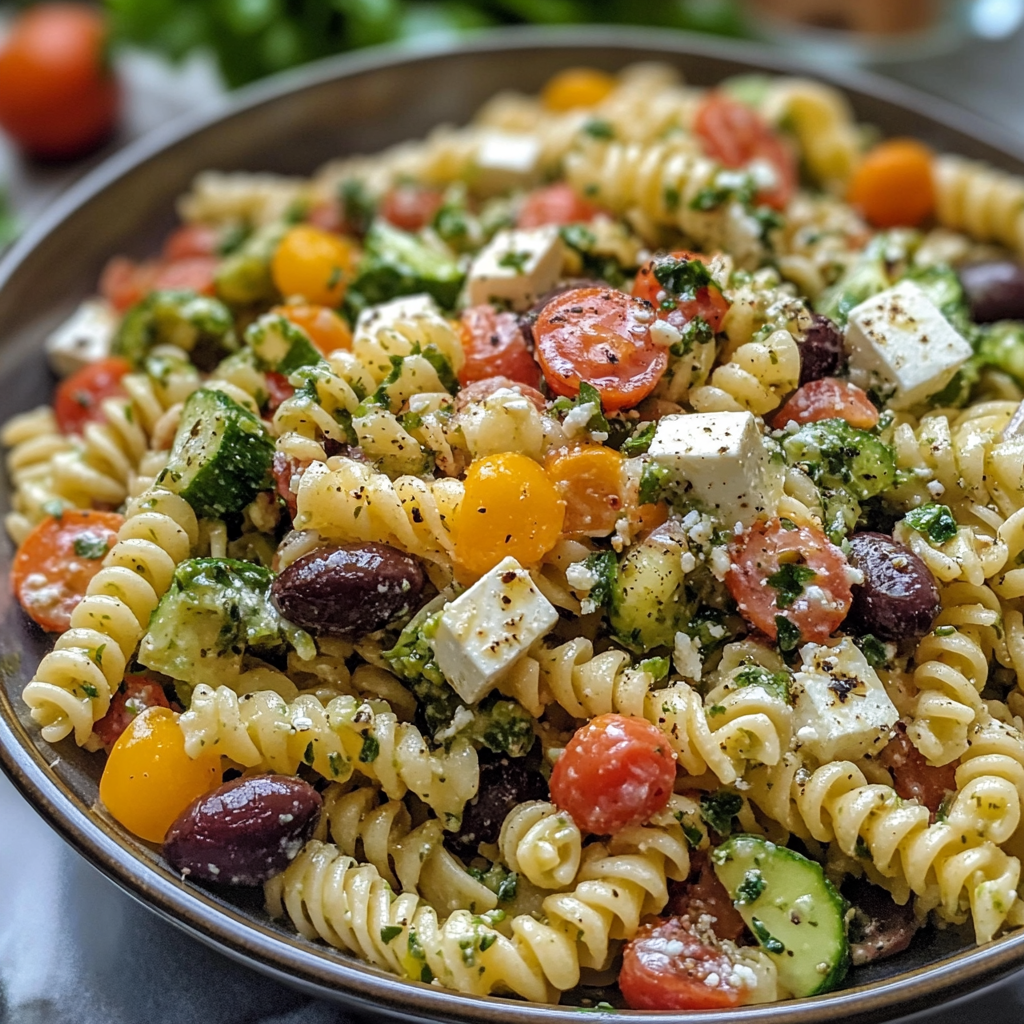
20-Minute Greek Pasta Salad
A bright, 20-minute Greek pasta salad loaded with crisp cucumber, cherry tomatoes, Kalamata olives, feta, and a tangy tzatziki vinaigrette — perfect for summer gatherings or easy meal prep.

Air Fryer Bang Bang Salmon Bites
Crispy-tender salmon bites tossed in a creamy, sweet-spicy bang bang sauce — ready in about 20 minutes using an air fryer or oven.
Did You Make This?
Leave a comment & rating below or tag @sararecipes on social media!
Rate This Recipe
Share This Recipe
Enjoyed this recipe? Share it with friends and family, and don't forget to leave a review!
Comments (1)
This recipe looks amazing! Can't wait to try it.
Comments are stored locally in your browser. Server comments are displayed alongside your local comments.
Hi, I'm Sara!
What's Popular
30-Minute Meals!
Join to receive our email series which contains a round-up of some of our quick and easy family favorite recipes.